





Missing multiple teeth can affect more than just your smile. It can also impact how you chew, speak, and maintain overall oral health. Fortunately, modern dentistry offers several reliable solutions, with dental bridges and partial dentures being two of the most common options.
While both treatments are designed to restore function and appearance, they differ in structure, how they are supported, and how they feel in everyday use. Understanding these differences can help you make a more informed decision with your dentist.
What Is a Dental Bridge?
A dental bridge is a fixed restoration used to replace one or more missing teeth. It works by anchoring an artificial tooth, called a pontic, to the natural teeth on either side of the gap. These supporting teeth are typically covered with crowns to hold the bridge securely in place.
Because a bridge is permanently fixed, it does not need to be removed for cleaning. It is brushed and flossed just like natural teeth, although special tools may be recommended to clean underneath the bridge effectively.
One of the main advantages of a dental bridge is stability. It feels very similar to natural teeth and does not shift or move while eating or speaking. However, it does require healthy adjacent teeth to serve as support.
What Is a Partial Denture?
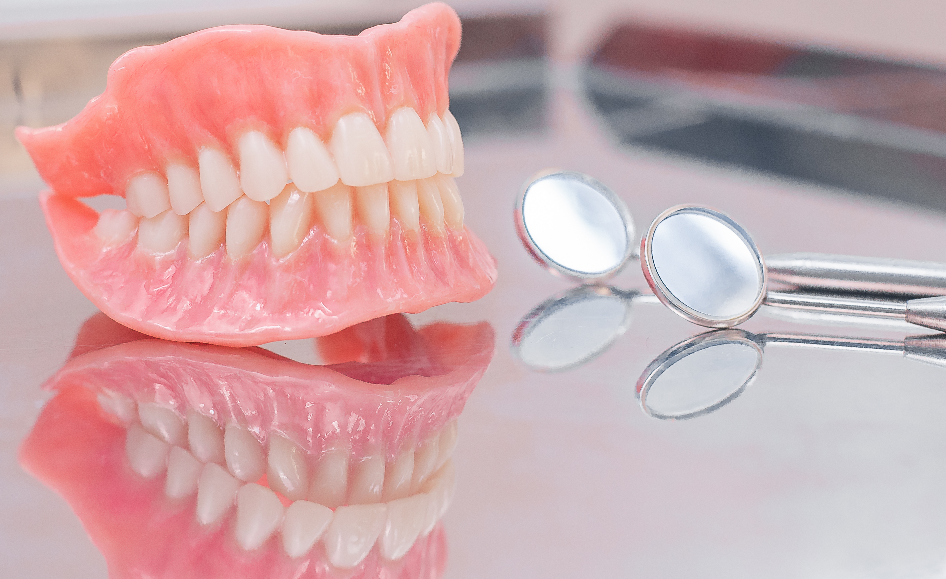
A partial denture is a removable appliance that replaces one or more missing teeth. It typically consists of replacement teeth attached to a gum-colored base, often held in place with small clasps that attach to existing teeth.
Unlike a bridge, a partial denture can be taken out for cleaning and while sleeping. This makes it a flexible and often more affordable option for patients who may not be candidates for a fixed restoration.
Partial dentures can be adjusted or replaced more easily over time, which can be helpful if changes occur in your mouth. However, some patients may need time to adjust to the feel of a removable appliance.
Key Differences Between the Two Options
The biggest difference between a dental bridge and a partial denture is how they are supported and worn. A bridge is fixed and relies on neighboring teeth for support, while a partial denture is removable and supported by both teeth and the gums.
Comfort, maintenance, and longevity can also vary. Bridges tend to feel more natural and require less daily removal, while partial dentures offer flexibility and may be a better option when multiple teeth are missing or when surrounding teeth cannot support a bridge.
Cost and treatment planning are also important factors. In some cases, a bridge may require more preparation of existing teeth, while partial dentures may be a less invasive starting point.
Choosing the Right Solution for Your Smile
There is no one-size-fits-all answer when it comes to replacing missing teeth. The best option depends on your oral health, the number and location of missing teeth, and your long-term goals.
A dental evaluation is the most reliable way to determine which treatment will work best for you. Your dentist can assess your bite, bone health, and surrounding teeth to recommend a solution that restores both function and appearance.
Restoring missing teeth as soon as possible is important to prevent shifting, bone loss, and additional oral health issues over time.
A Confident Smile Starts with the Right Choice
Whether you choose a dental bridge or a partial denture, both options can significantly improve your ability to eat, speak, and smile with confidence. The key is finding the solution that best fits your needs and lifestyle.
With the right guidance, you can take a strong step toward restoring your smile and protecting your long-term oral health.
About the Practice
Dr. Shannon Stokes provides comprehensive restorative and general dentistry services focused on rebuilding and maintaining healthy, functional smiles. The practice offers personalized treatment options, including dental bridges, dentures, and other restorative solutions tailored to each patient’s needs. Dr. Stokes and the team are committed to delivering compassionate care in a comfortable environment, helping patients restore confidence in their smiles through thoughtful, individualized treatment planning.
Call us at (972) 596-0200 or schedule your appointment online.