







TMJ Treatment – Plano, TX
You Don’t Have To Suffer With TMJ Pain
 Do you feel like your everyday life is impacted by jaw pain, stiffness, or headaches? You could be one of the millions of Americans who are affected by temporomandibular joint disorder, also known as TMD. If this joint isn’t working smoothly, you can’t eat, speak, smile, or laugh comfortably. But you don’t have to live with pain or discomfort! Dr. Stokes has helped countless patients by providing effective, non-surgical TMJ treatment in Plano to help their jaw joints function better. Relief is easier than you might think, so don’t hesitate to contact us. We’re here to help!
What Is TMJ Disorder?
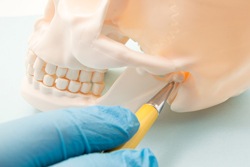
The TMJ is the only bilateral joint, so the left and right side have to work in perfect harmony with one another. This also makes it one of the most complicated joints in the entire body, which is partially why it’s susceptible to problems.
TMD is a condition that affects the muscles in the head and neck that are involved in jaw function and the TMJ joint itself. If these structures aren’t functioning properly, pain, stiffness, and discomfort can result.
What Causes TMJ Disorder?
 Everything in your head and neck is connected to your TMJ, so there isn’t just one cause of TMD. Here are just some of the factors that can lead to this condition:
- Chronic nighttime clenching or grinding
- An injury to the head, neck or jaw
- Bite problems such as an overbite, underbite or open bite
- Poor posture
- Stress
- Arthritis
Signs and Symptoms of TMJ Disorder
 In two decades as a dentist in Plano, we’ve found that one of the most common TMD symptoms our patients experience is headaches. But there are many other signs you may notice:
- Clicking or popping of the TMJ on one or both sides
- Locked jaw
- Earaches or neck pain
- Generalized jaw stiffness and pain
- Damage to your teeth such as fractures, chips, or a flattening of the chewing surface
How Can a Custom Nightguard Help With TMD?
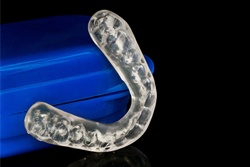
Since a common cause of TMD is clenching and grinding, a custom-made nightguard or occlusal splint is a great solution. We make these appliances to reposition your jaw so that your muscles and the joint itself work together the way they should. This treatment also helps your teeth come together properly so you aren’t as likely to clench and grind.
In many cases, wearing one of these appliances for several months alleviates clenching and grinding along with the inflammation and pain associated with TMD. An additional benefit is that a nightguard absorbs a lot of the force exerted on your teeth to prevent chips, fractures, and other damage.
If you have any of the signs and symptoms of this common condition and think TMJ treatment in Plano might help, don’t hesitate to get in touch. Dr. Stokes and our experienced team would love to help your jaws function smoothly again so you can get your quality of life back!
TMJ Treatment FAQs
Can TMJ Be Cured Permanently?
The discomfort associated with TMJ disorder can sometimes subside on its own with time. However, if your symptoms have begun to have a negative impact on your daily life, it’s time to seek professional treatment from Dr. Stokes.
While many practices offer short-term relief, Dr. Stokes is proud to offer non-surgical solutions that will not only address short-term pain but provide long-term solutions which address the underlying causes of TMJ disorder and bring lasting relief.
Is TMJ Treatment Safe?
As long as you receive treatment from a qualified professional, then yes, your TMJ disorder treatment should be completely safe.
It is always recommended that you treat a TMJ disorder using as minimally invasive and conservative options as possible, in accordance with the National Institutes of Health.
Can TMJ Be Treated Without Surgery?
Yes, it can! In fact, the National Institutes of Health recommends using as minimally invasive and conservative methods as possible to treat TMJ disorder.
Surgery involves making permanent changes to the jaw and nearby anatomy, so it is typically only suggested as a last resort. Most of the time TMJ disorder can be treated with less invasive methods, including stress relief, occlusal splints, and other solutions which Dr. Stokes can discuss with you at your consultation.
Is TMJ Treatment Covered by Insurance?
Depending on the cause and severity of your TMJ disorder, as well as the treatment being performed, your TMJ therapy may be covered by your medical or dental insurance.
The TMJ (temporomandibular joint) is a joint that is not specifically related to dentistry, however many TMJ disorder treatments like occlusal splints can only be provided by your dentist.
Insurance coverage for TMJ disorder treatments can be complex and will vary based on your state and your individual policy. Some policies may have a clause that excludes TMJ disorder treatment, while others may limit the dollar amount that can be spent treatment or even the types of treatment covered.
Generally, insurance companies do not include TMJ disorder coverage unless it is mandated by the state or at the request of your company’s benefits coordinator. Check with your individual insurance provider directly about what types of treatment are covered.
What Are the Symptoms of TMJ Disorder?
The symptoms of TMJ disorder can vary greatly; some patients experience very minimal discomfort, even to the point where they’re unaware there’s a problem. Others deal with constant, chronic pain that affects them on a day-to-day basis. Some of the most common symptoms of TMJ disorder include:
- Pain around your ears
- Pain in your jaw, face, neck, shoulders, or back
- Headaches and migraines
- Clicking or popping sounds heard inside your jaw
- Inability to open (or close) your mouth normally
- Teeth grinding or clenching (bruxism)
- Constant ringing in your ears
If you find yourself experiencing any of these symptoms, don’t hesitate to contact our Plano dental office to set up an appointment!
How Long Does TMJ Treatment Take?
The length of TMJ treatment ultimately depends on the form of treatment being used, as well as the severity of the condition. When a custom-made oral appliance is in play, most patients experience immense relief within a few days or weeks of getting started. This only continues to improve as time goes on, and after several months, many patients feel fully reduced pain and experience vastly improved jaw function. Of course, this is also very dependent on patient compliance; the nightguard can only do its job if it’s worn regularly and properly maintained. Over time, it’s also possible for patients to need a new device—which is part of why routine visits to our office remain so important.
How Is TMJ Disorder Diagnosed?
TMJ disorder can be diagnosed through a thorough oral examination conducted by Dr. Stokes. During this exam, he will check how your jaw moves, listen for clicking or popping sounds, and gently press on the jaw muscles and joints while also asking you about your symptoms. In some cases, imaging scans are also taken to determine with certainty what exactly is going on. If you’re experiencing symptoms that you believe may be related to TMJ disorder, you should not ignore them or wait for things to improve on their own—they won’t!
Does TMJ Treatment Hurt?
Remember, TMJ treatment is designed to relieve the source of your discomfort, not cause more of it. In many cases, treatment involves non-invasive solutions like oral appliances, which are designed to gently reposition the jaw and do not cause any additional pain. When combined with jaw stretches and exercises performed at home, patients can normally find quick, pain-free, and effective relief for their TMJ disorder. If your symptoms don’t improve or begin to worsen after starting TMJ treatment, don’t hesitate to let Dr. Stokes know so that he can quickly address the issue.